As 2026 begins, several key indicators across the U.S. rental housing market suggest a period of stabilization following years of volatility. Metrics tied to multifamily loan performance, home price growth, and renter demand indicate a market that is adjusting rather than accelerating or declining sharply.
Multifamily Loan Performance Shows Signs of Stability
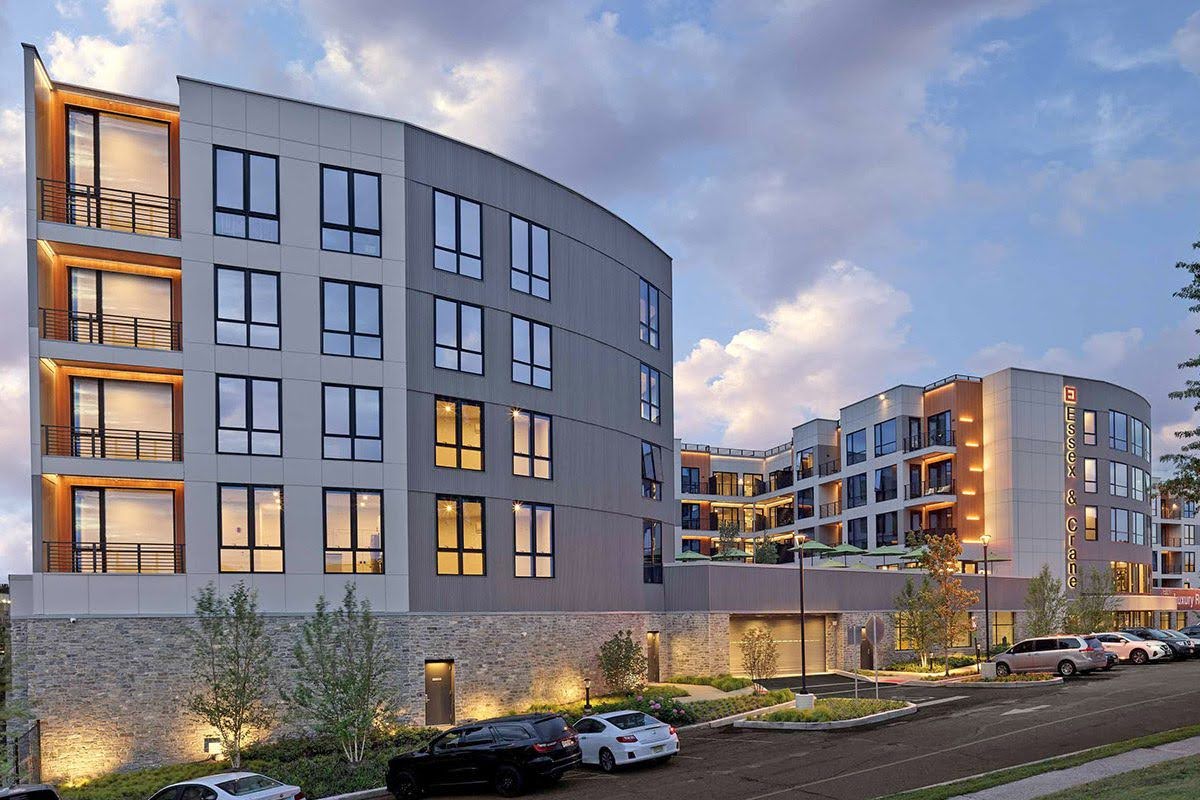
Recent data shows a moderation in multifamily CMBS delinquency rates, signaling that financial stress across the sector may be easing. While delinquency levels remain higher than pre-pandemic norms, the pace of deterioration has slowed.
This trend reflects a combination of improved operating income in select markets, proactive loan modifications, and owners adjusting capital strategies to align with higher interest rate conditions. For lenders and operators alike, this stabilization suggests a shift away from crisis-driven decision-making toward longer-term planning.
Home Price Growth Continues to Normalize
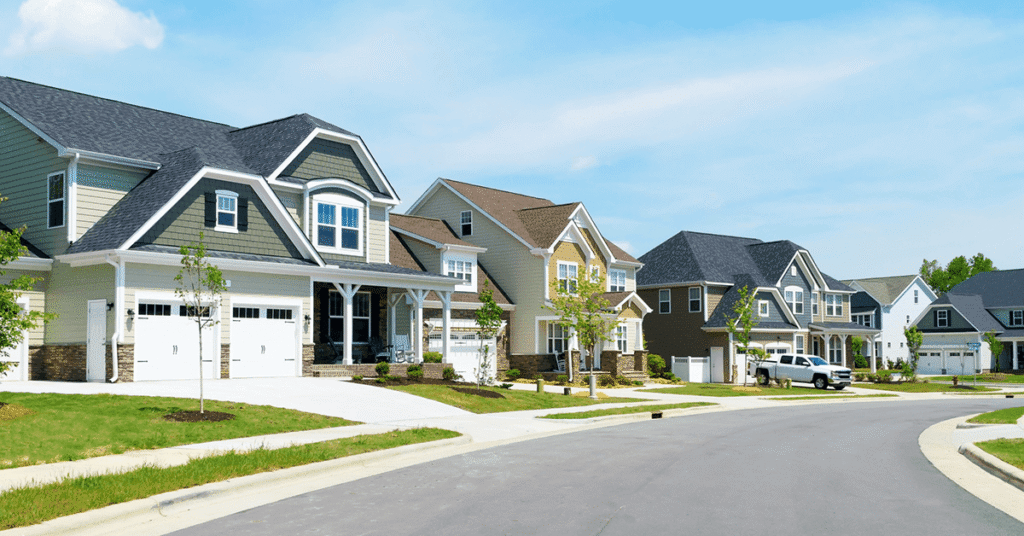
National home price appreciation has slowed meaningfully, with year-over-year growth now far below the peaks seen earlier in the decade. Elevated mortgage rates and affordability constraints have tempered buyer demand, contributing to a more balanced pricing environment.
For the rental housing sector, this normalization matters. Slower home price growth reduces speculative pressure while keeping many households in rental units longer, supporting steady rather than overheated rental demand.
Affordability Continues to Shape Rental Demand

Affordability remains a defining factor in early 2026. Higher borrowing costs have limited the transition from renting to homeownership for many households, sustaining renter demand even as new supply enters the market.
At the same time, leasing activity varies by region, influenced by job growth, migration patterns, and localized inventory levels. These dynamics highlight why stabilization does not mean uniform performance, but rather a market increasingly driven by location-specific fundamentals.
Invest Now!
What the Early 2026 Data Signals
Taken together, these trends point to a rental housing market that is less reactive and more measured than in prior years. Multifamily loan performance is no longer deteriorating rapidly, home prices are rising at a slower pace, and renter demand is being shaped primarily by affordability rather than speculation.
As 2026 progresses, the sector appears positioned for incremental adjustments rather than sharp corrections, with capital, lending, and development decisions increasingly grounded in operating fundamentals.
Stay informed on real estate market trends
Read more insights from Catalyst on housing fundamentals, capital markets, and risk-aware investing.

 0
0